Understanding Williamsburg's Local Building Regulations
AG
Introduction to Williamsburg's Building Regulations
Williamsburg is a vibrant community known for its rich history and unique architectural style. Understanding the local building regulations is essential for anyone considering construction or renovation in this area. These regulations ensure that the charm and character of Williamsburg are preserved while allowing for modern development.
Whether you're a homeowner, architect, or developer, being aware of the specific rules and guidelines can save you time, money, and potential legal issues. In this post, we'll explore the key aspects of Williamsburg's building regulations to help you navigate them with confidence.
Understanding Zoning Laws
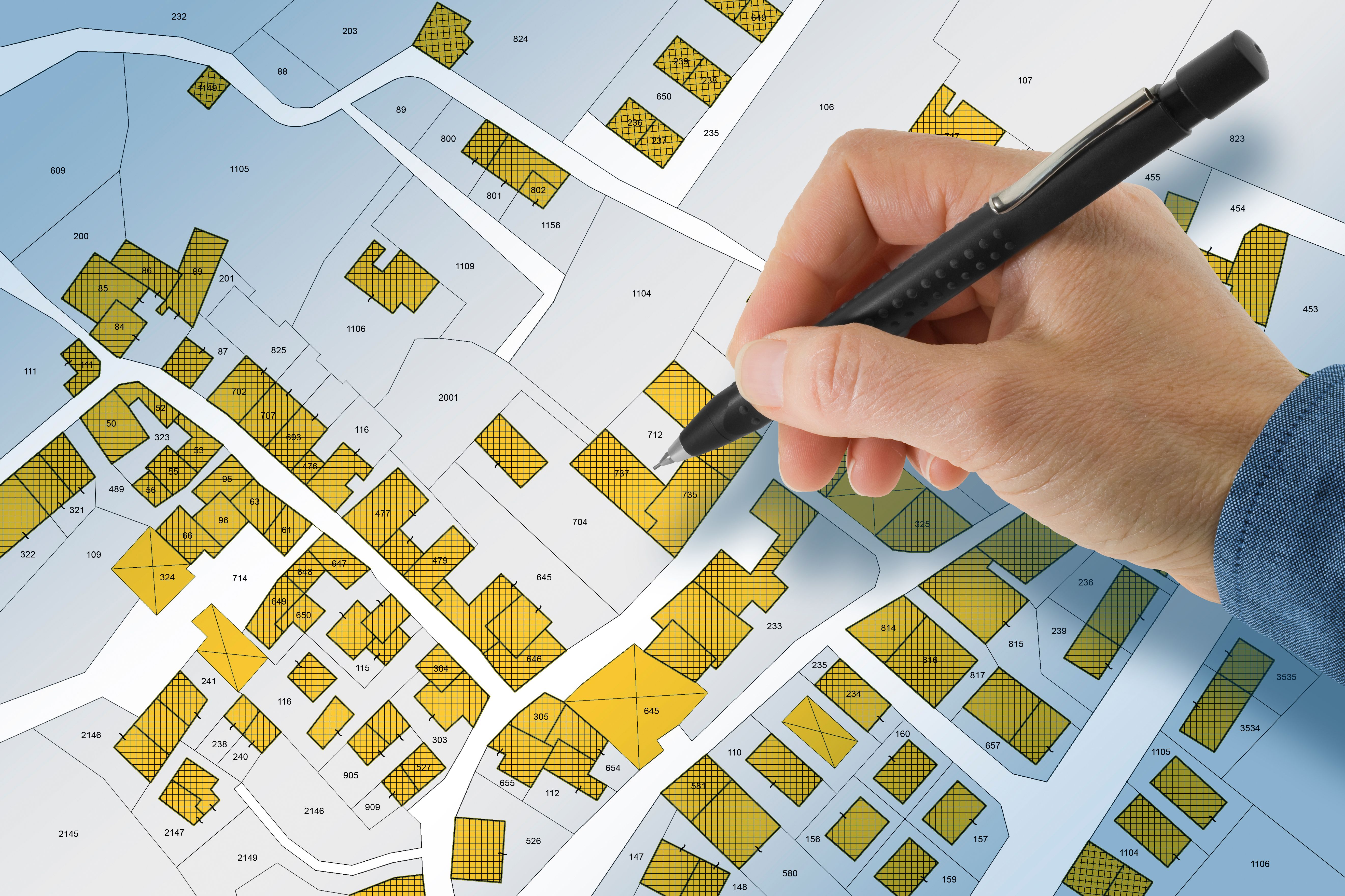
Zoning laws play a crucial role in shaping the landscape of Williamsburg. These laws dictate how land can be used and what types of structures can be built in different areas. Understanding the zoning classification of your property is the first step in any building project.
Williamsburg is divided into various zoning districts, each with specific requirements regarding land use, building height, density, and more. It's important to consult the local zoning map and regulations to determine what is permissible on your property.
Residential vs. Commercial Zoning
Residential zones typically have more restrictions than commercial zones. These might include limitations on building height, setbacks, and the types of structures allowed. Commercial zones, on the other hand, may allow for more flexibility but come with their own set of rules.
Historic Preservation Guidelines
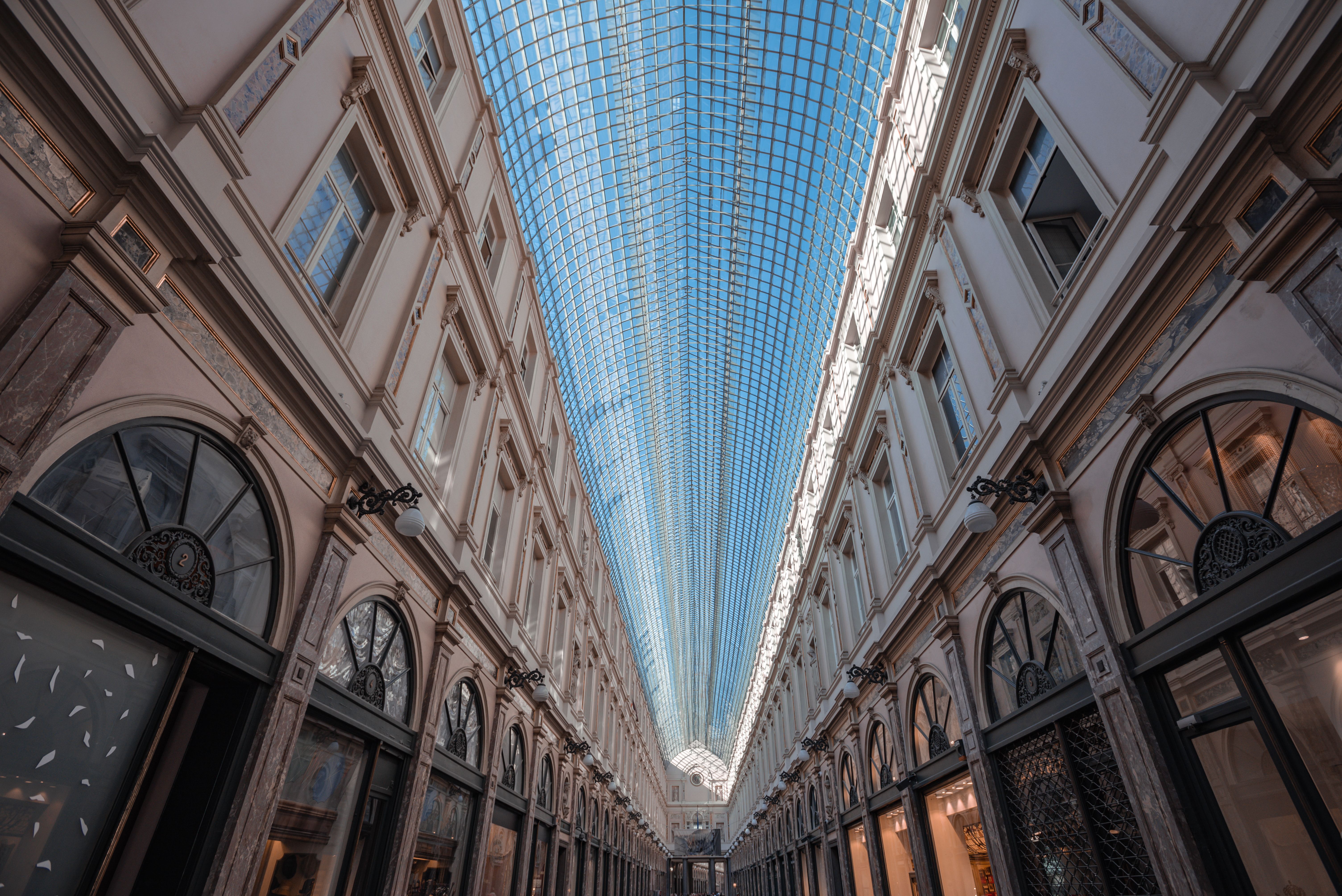
One of Williamsburg's most appealing features is its historic charm. To maintain this, the city has established historic preservation guidelines that apply to certain neighborhoods and buildings. These guidelines are designed to protect the architectural integrity and historical significance of these areas.
If your property is located in a historic district, any exterior changes must comply with these guidelines. This may include restrictions on materials, colors, and architectural styles. Engaging with the local historic commission early in the planning process can help ensure compliance.
Working with the Historic Commission
The historic commission is responsible for reviewing and approving changes to properties within designated historic areas. They provide guidance and support to help property owners make decisions that align with preservation goals.
Permitting Process
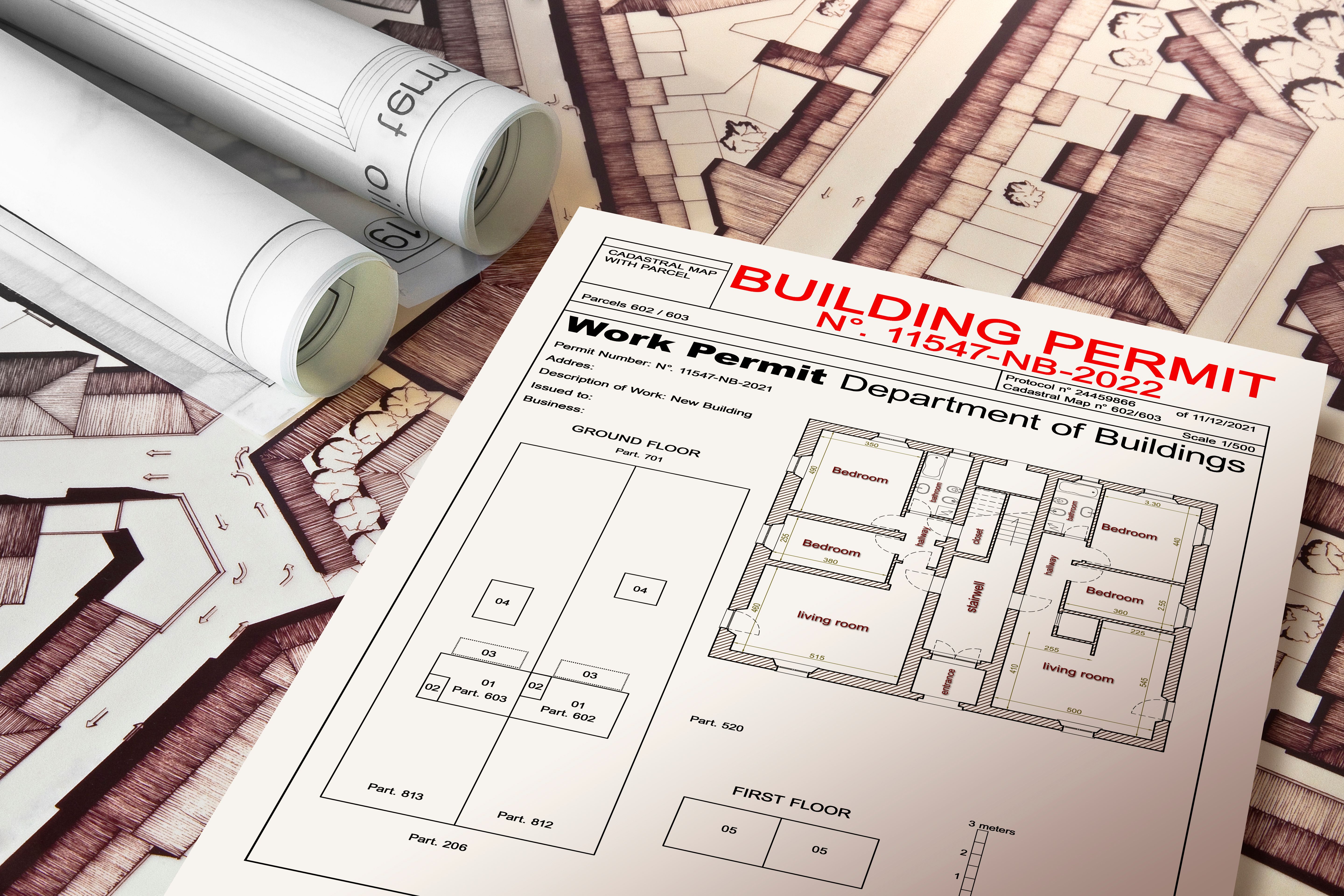
Obtaining the necessary permits is a vital step in the building process. Williamsburg requires permits for a variety of projects, including new construction, renovations, and even some minor alterations. Failing to secure the right permits can lead to fines and delays.
The permitting process involves submitting detailed plans and documentation to the local building department. These documents are reviewed to ensure compliance with all applicable codes and regulations. Working with a knowledgeable architect or contractor can streamline this process.
Common Permits Required
- Building Permit
- Electrical Permit
- Plumbing Permit
- Demolition Permit
Conclusion
Understanding Williamsburg's local building regulations is essential for any construction or renovation project. From zoning laws to historic preservation guidelines, these regulations are designed to protect the community's distinctive character while allowing for growth and innovation.
By familiarizing yourself with these rules and working closely with local authorities, you can successfully navigate the building process and contribute to the beautiful landscape of Williamsburg. Whether you're a resident or a developer, staying informed and prepared is the key to success.