Common DIY Mistakes in Home Repair and How to Avoid Them
AG
Introduction to DIY Home Repair
Taking on DIY home repair projects can be a rewarding experience. Not only can it save you money, but it also gives you the satisfaction of creating something with your own hands. However, many DIY enthusiasts make common mistakes that can lead to frustration and extra costs.
Underestimating the Scope of the Project
One of the most frequent mistakes is underestimating the complexity of a project. It's easy to think that a task will take just a couple of hours, only to find yourself knee-deep in a project that stretches for days.

To avoid this, always conduct thorough research. Watch tutorials, read guides, and consult with professionals if necessary. Create a detailed plan, including a timeline and necessary materials. This preparation can help you stay on track and avoid unnecessary delays.
Skipping the Safety Measures
Another common mistake is neglecting safety measures. DIY projects can be dangerous, especially if you're unfamiliar with the tools and materials. Ensure you have the proper safety gear, such as gloves, goggles, and masks.
Additionally, always read the instructions and warnings on tools and materials. Taking these precautions can prevent injuries and ensure a safe working environment.

Using the Wrong Tools
Using the wrong tools is a prevalent issue that can compromise the quality of your work. Investing in the right tools can make a significant difference in the ease and outcome of your project.
Before starting, make a list of the necessary tools and check if you have them. If not, consider borrowing, renting, or purchasing the essential ones. The right tool can make any job easier and more efficient.
Neglecting to Measure Accurately
Precision is key in home repair. Incorrect measurements can lead to wasted materials and time. Always double-check your measurements before cutting or assembling materials.
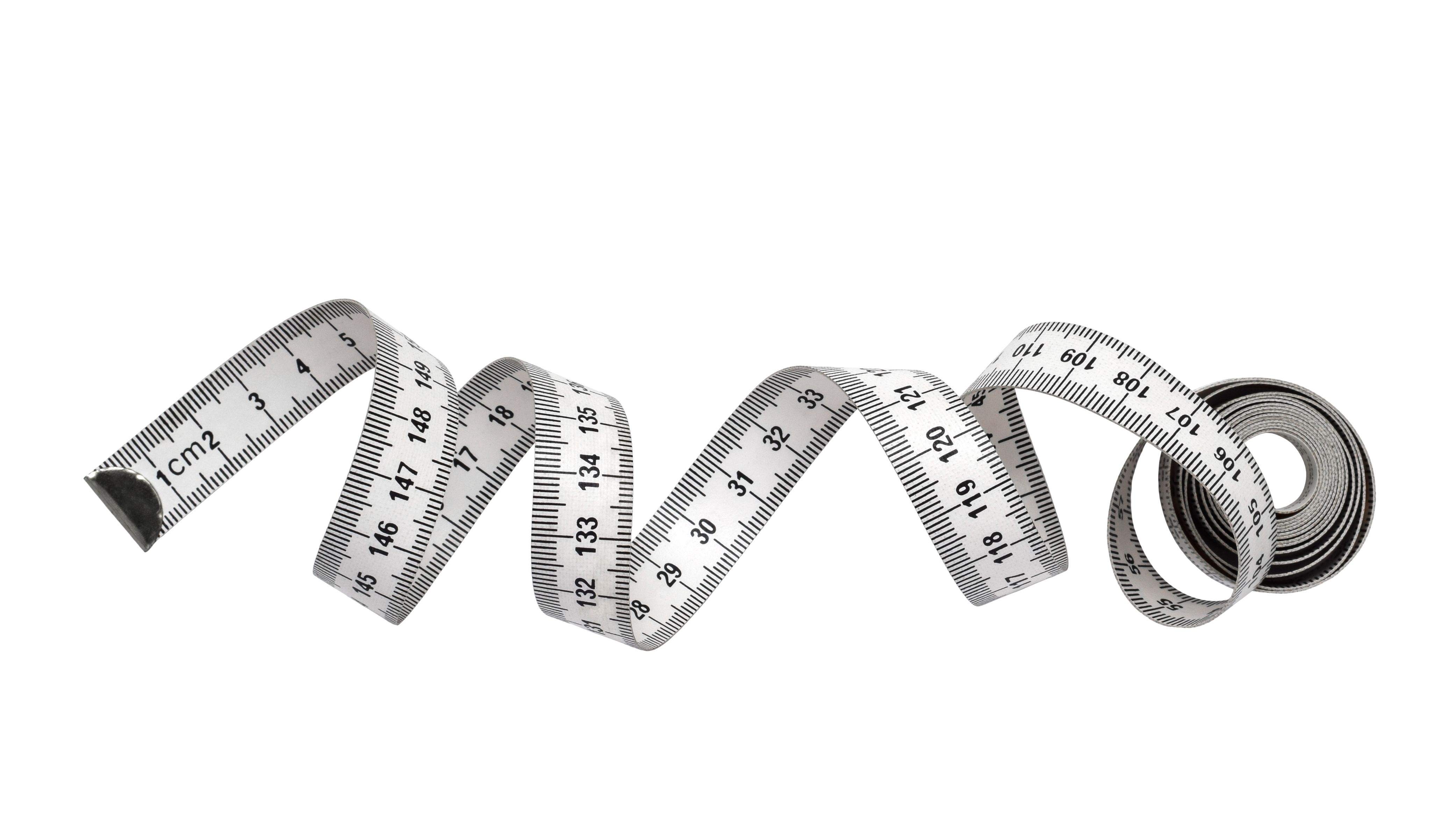
Using a quality measuring tape and marking tools can help ensure accuracy. Follow the adage "measure twice, cut once" to minimize errors and avoid costly mistakes.
Ignoring Permits and Codes
Some DIY projects require permits and adherence to local building codes. Failing to obtain the necessary permits can lead to hefty fines and complications when selling your home.
Before starting any significant renovation, check with your local authorities about permit requirements. Adhering to these regulations ensures your home remains safe and legally compliant.
Conclusion
By being aware of these common DIY mistakes and taking steps to avoid them, you can tackle home repair projects with confidence. Proper planning, safety, and precision will not only enhance the quality of your work but also make your DIY experience more enjoyable and cost-effective.