Case Study: Transforming a Historic Williamsburg Home with Modern Touches
AG
Introduction
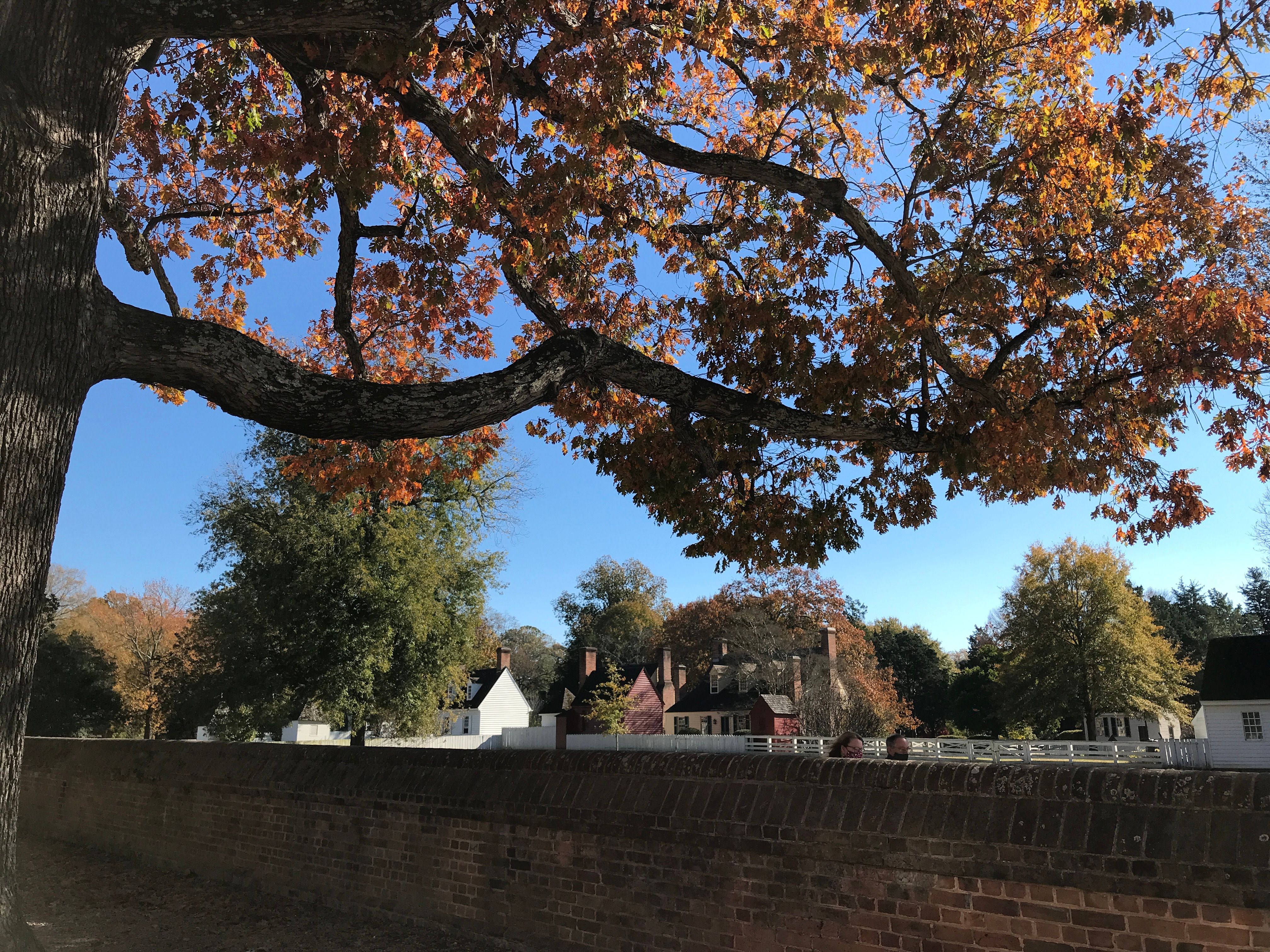
Williamsburg, known for its rich history and colonial architecture, is the perfect backdrop for a home transformation project. When a historic home in this charming area needed a modern update, the challenge was to blend contemporary touches while preserving its historical essence.
Understanding the Vision
The homeowners wanted to maintain the traditional facade while introducing modern amenities. The goal was to create a space that was both functional and aesthetically pleasing, bridging the gap between past and present.
Key considerations for the project included:
- Preservation of historical elements
- Integration of modern conveniences
- Enhancement of natural light
Design Approach
The design team embarked on a comprehensive plan to achieve this vision. They focused on maintaining the original structure's integrity while incorporating modern materials and technologies. This approach ensured that the home remained true to its roots while meeting contemporary living standards.
Preserving Historical Elements
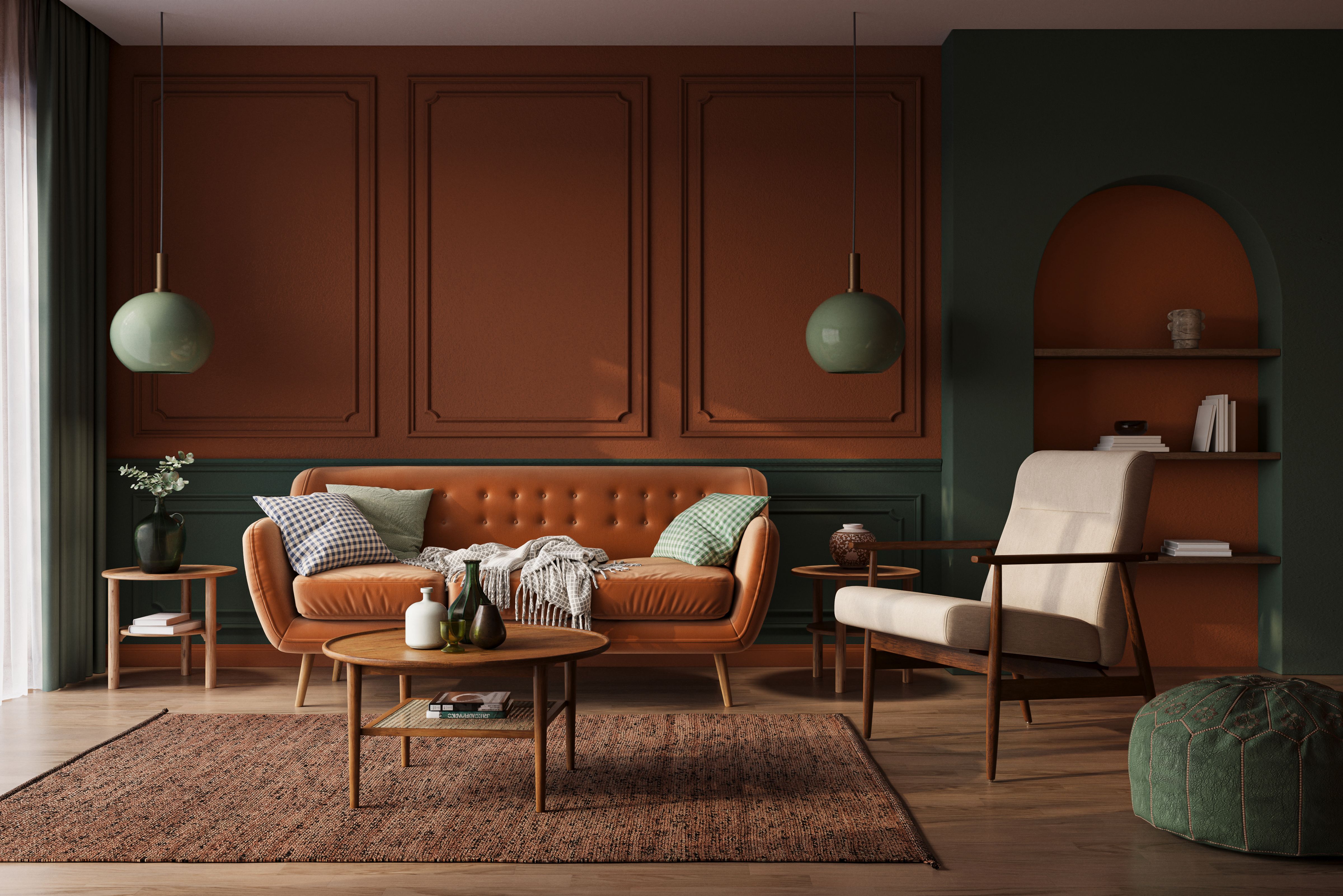
One of the main priorities was to preserve the home's original features. The team carefully restored the brickwork and wooden beams, ensuring that these elements became focal points in the modernized space.
The use of authentic materials was crucial in maintaining the home's historical character. Traditional craftsmanship techniques were employed to restore the original wood flooring and intricate moldings.
Incorporating Modern Touches
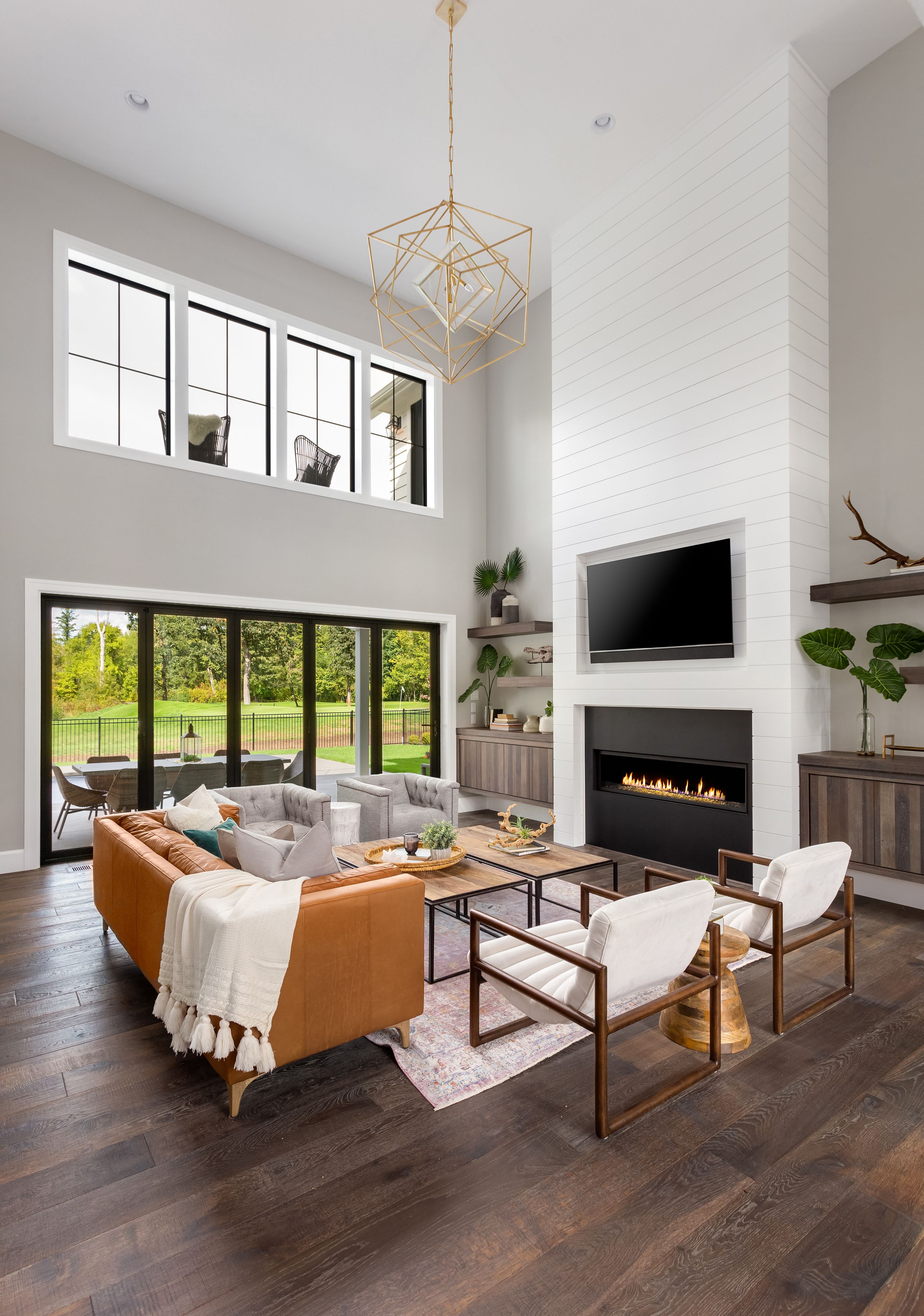
To introduce modern amenities, the team focused on open-plan living spaces that promote a sense of flow and connectivity. The installation of large windows and glass doors allowed for increased natural light, creating a bright and welcoming atmosphere.
Smart Home Features
The integration of smart home technology was a key component of the renovation. Features such as automated lighting, climate control, and security systems were discreetly incorporated to enhance convenience and efficiency.
These technologies were chosen to complement the home’s design, ensuring that modern conveniences did not detract from the historical charm.
Conclusion
The transformation of this historic Williamsburg home is a testament to the successful blending of old and new. By respecting the home’s past while embracing modern innovations, the project serves as an inspiring example of how historic homes can be revitalized for contemporary living.
This case study highlights the potential of such renovations to preserve history while enhancing functionality, offering valuable insights for similar projects in the future.